
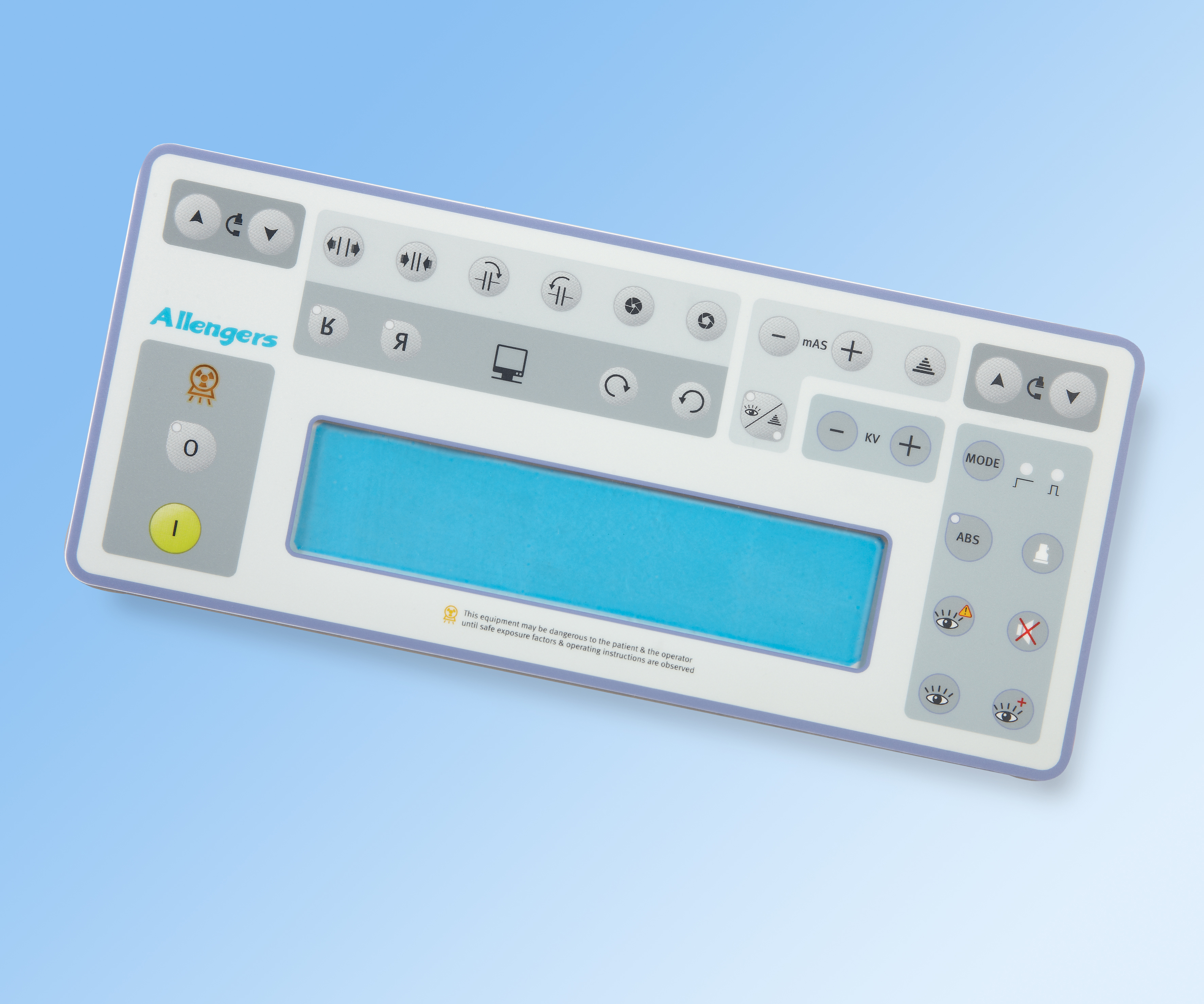
Membrane switch keyboards remain a trusted choice in medical devices due to their durability, hygiene, and ease of use. Their sealed design and customizable interface make them ideal for demanding healthcare environment...
Advantages of Membrane Switch Keyboards in Medical Devices
In recent years, user interface technologies have evolved rapidly. However, when it comes to medical instruments, the interface must withstand harsh operating conditions while ensuring safety, reliability, and hygiene.
Even after decades, membrane switches continue to be widely used in medical devices. Unlike mechanical keyboards, membrane switch keyboards have no separate moving keys. Instead, they use pressure-sensitive pads with printed symbols on a flat, flexible surface. Their lifespan, durability, and user-friendly design make them an excellent choice for medical applications.

Below are the key reasons why membrane switches remain a preferred option:
1. Easy to Clean and Disinfect
Membrane switches have a completely sealed, smooth surface with no gaps between keys. This prevents dust, dirt, and bacteria from accumulating. In contrast, mechanical switches can trap contaminants in crevices. Many membrane switches also come with antimicrobial coatings, making them ideal for medical environments.
2. Water and Chemical Resistant
The sealed design protects against water and chemical ingress, reducing the risk of short circuits. Many membrane switches offer protection up to IP67 and are resistant to scratches, making them suitable for rigorous usage.
3. Compact and Space-Saving
Their flat and lightweight design makes membrane switches perfect for devices where space is limited. They allow for compact layouts and are ideal for portable medical equipment.
4. High Durability
Membrane switches are made using materials like polyester, polycarbonate, or silicone. These materials resist heat, UV exposure, and wear. Graphics are printed beneath the surface, preventing fading and ensuring long-lasting visibility even after frequent cleaning.
5. Tactile Feedback
Membrane switches can be designed to provide tactile feedback, giving users a clear indication when a function is activated. This helps medical professionals operate devices efficiently without constantly looking at the interface.

6. Customizable Design
They offer high flexibility in design. Layouts, symbols, colors, and materials can be customized to meet specific requirements while maintaining cost efficiency.
7. Clear Graphic Visibility
The graphic overlay ensures excellent visibility from multiple angles. Indicators, warnings, and functional lights can be easily seen from a distance, improving usability and patient monitoring.
8. Backlit Interface
Backlighting enhances visibility in low-light environments. It also helps highlight important controls and active functions, improving usability during critical operations.
9. Protection Against ESD, EMI, and RFI
Membrane switches can be designed with shielding layers to protect against electrostatic discharge (ESD), electromagnetic interference (EMI), and radio frequency interference (RFI). This improves device reliability and safety.
10. RoHS Compliance
Membrane switches comply with Restriction of Hazardous Substances (RoHS) standards, ensuring the use of safe and environmentally friendly materials.

Conclusion
Robust, reliable, hygienic, and easy to use, membrane switches are a perfect fit for modern medical devices. Their durability and adaptability make them a dependable choice in environments where performance and safety are critical.
Need a custom HMI architecture for harsh operating conditions?
Talk to Our Team